


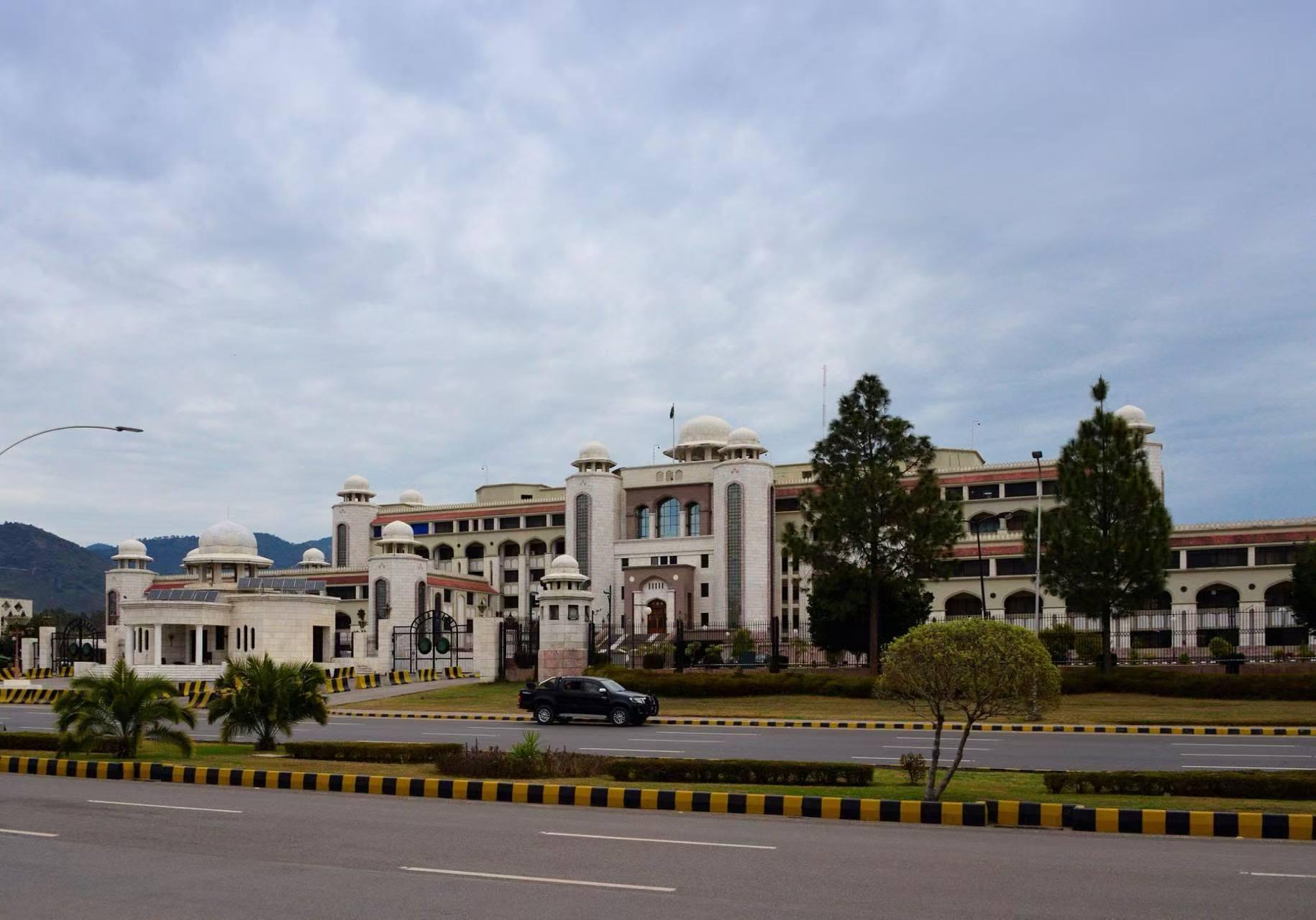
The economic landscape in Pakistan is undergoing a massive recalibration. In late September 2026, Prime Minister Shehbaz Sharif convened a high-level dialogue with the nation’s top industrialists, signaling a definitive shift: sustainable development is no longer just a corporate social responsibility talking point—it is the baseline for national economic stability.
With the historic appointment of Hamza Farrukh as the first chairperson of the newly activated Pakistan Climate Change Authority (PCCA), the federal government is laying down the infrastructure for strict climate governance. For the private sector, the message is clear—adapt to sustainable operational models, or risk being priced out of the future.
The Economic Imperative of the EV Transition
One of the most immediate arenas where this policy shift is taking root is urban mobility. For decades, the standard 70cc petrol motorcycle has been the backbone of the Pakistani commuter class. However, as the government scrambles to reduce dependency on imported fuel and stabilize the economy, the 70cc engine is rapidly becoming an unsustainable liability for both the state and the citizen.
This is exactly where aggressive private sector roadmaps—like the 10-year strategic plan being executed by Ramza under New Asia Vehicles—are stepping in to fill the gap. By introducing a robust 18-model lineup of 60V electric scooters and tri-wheelers, the focus is squarely on providing a scalable, eco-friendly alternative. When an EV scooter like the Ramza Liberty operates at roughly 15% of the daily running cost of a petrol equivalent, it doesn’t just reduce emissions; it fundamentally restores buying power to the working class.
Institutionalizing Environmental Compliance
Transitioning product lines is only half the battle; true sustainability requires internal structural reform. As the government pushes for integration into global carbon markets, external compliance is becoming mandatory.
To thrive in this new era, automotive and tech manufacturers must prioritize strict Environmental Health and Safety (EHS) auditing and implement ISO 14001 Environmental Management Systems (EMS) across their production facilities. By modernizing organizational structures—from executive leadership down to the assembly line—companies can prove they are ready to meet both local regulatory demands and international standards.
Aligning with the Global Vision (SDG 13)
The government’s recent dialogues heavily emphasize aligning Pakistan’s industrial growth with the United Nations Sustainable Development Goals, specifically Climate Action (SDG 13) and Quality Education (SDG 4).
The era of siloed business operations is over. The companies that will lead Pakistan’s economic resurgence are those that actively bridge the gap between technological innovation and ecological responsibility. As the PCCA begins enforcing new climate frameworks, the private sector has a brief window to move from reactive compliance to proactive leadership.
The roadmap is set. It’s time to accelerate.